
I don’t know about you, but after decades of paying attention to nutrition and trying various eating approaches, I assumed I already understood protein well enough. As long as I included some in my meals, I figured I could maintain my strength and stay generally healthy.
Yet in recent years, the guidance around protein—especially for people in their 50s, 60s, and beyond—has changed dramatically. Much of this shift comes from improved research methods that give us clearer insight into how our bodies use protein as we age. Traditionally, the recommendation focused mostly on consuming enough protein to support muscle function and basic bodily processes. But new findings paint a more nuanced picture, leading experts around the world to update their advice.
Today, protein is recognized as a key player not only in preserving muscle but also in supporting metabolic health, immune function, and weight management—areas that become increasingly important after 50. Research has shown that higher protein intake can support better body composition and help maintain weight loss more effectively. As evidence accumulates, health authorities have begun adjusting recommended intake levels, with each country tailoring guidelines to its own population and dietary norms.
For those of us over 50, understanding these updates isn’t just useful—it’s empowering. It helps us make informed decisions about our diets and encourages us to think of protein not as a box to check, but as a tool for maintaining vitality, independence, and overall well-being.
Diverse Protein Needs in Midlife and Beyond
One of the biggest changes in protein science is the recognition that a “one-size-fits-all” recommendation simply doesn’t work. Life stage, activity level, and health status all influence how much protein our bodies need—and those needs evolve as we age.
While the longstanding guideline for healthy, sedentary adults has been about 0.75 g of protein per kilogram of body weight, this is now seen as the minimum to avoid deficiency, not the amount needed for optimal health—especially for people 50+.
Current recommendations look more like this:
Older Adults (50+):
To slow age-related muscle loss (sarcopenia), support bone health, and maintain mobility, experts increasingly suggest 1.0–1.2 g of protein per kilogram of body weight daily (for example, 75–90 g per day for a 75 kg adult).
Active Older Adults:
If you regularly engage in exercise—especially resistance or strength training—you may benefit from 1.2–2.0 g per kg to support muscle repair and growth. While advanced athletes sometimes aim even higher, most older adults see strong benefits around the lower end of this range.
Individuals Managing Illness or Chronic Conditions:
People dealing with cancer, chronic inflammation, or recovery from illness may need 1.2–1.5 g per kg, under the guidance of a healthcare professional, to help maintain muscle mass and support immune resilience.
It’s also worth noting that most existing research comes from studies on men. These results are often applied broadly, even though hormonal and physiological differences—particularly for women navigating post-menopause—may affect how protein is used and needed in the body.
Remember, all guidelines are population averages. Your own needs may be higher, and many experts urge adults over 50 to aim for the upper end of these ranges. Reaching these targets can be surprisingly challenging, which is why practical strategies matter more than ever.
Evaluating Protein Quality
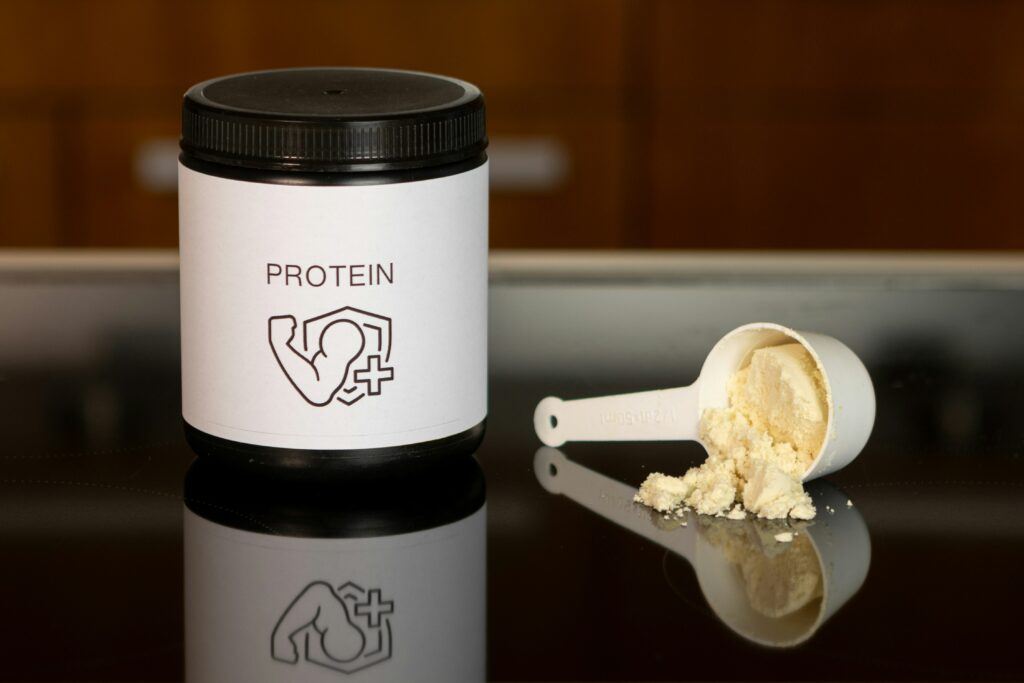
Photo by Aleksander Saks on Unsplash
Meeting your protein needs isn’t just about quantity; quality matters too—especially for aging bodies that absorb nutrients less efficiently than they once did.
Animal proteins (meat, fish, eggs, dairy) are considered “complete,” meaning they provide all the essential amino acids your body can’t make on its own. They also tend to have higher bioavailability, which means your body can use them more effectively. This can be particularly helpful for maintaining muscle strength and recovery as we age.
Plant proteins (beans, lentils, nuts, quinoa) are nutritious and valuable but often lack one or more essential amino acids. However, combining different plant sources—like rice with beans or lentils with whole-grain bread—can create a complete amino acid profile.
Both types of protein offer benefits: plants bring fiber and phytonutrients, while animal foods provide nutrients like B12, iron, and calcium. A balanced mix can help support digestion, energy levels, muscle maintenance, and overall health.
Practical Tips for Meeting Protein Needs After 50
Getting enough protein can be more difficult than it sounds, especially if your appetite has changed or you’re adjusting long-held eating habits. Small, intentional choices can make it much easier:
Include protein at each meal.
Three balanced meals with a solid protein source put you well on your way to reaching your daily target.
Choose protein-rich snacks.
Between meals, options like nuts, yogurt, jerky, cottage cheese, or a hard-boiled egg add meaningful protein without much effort. While protein bars aren’t perfect nutritionally, they can be convenient and may help manage sweet cravings while boosting intake.
Use supplements strategically.
Whey protein, collagen peptides, or other protein powders can be added to coffee, smoothies, oatmeal, soups, or sauces. Many adults over 50 find supplements especially helpful on lower-appetite days.
Check nutrition labels.
A quick glance can tell you how much protein you’re really getting. Prioritize foods that offer high protein without excessive sugar or additives—it’s often eye-opening.

Also check out this article:
How I Reach my Protein Targets
Conclusion
Ultimately, meeting your protein needs after 50 isn’t about rigid rules or chasing a magic number. It’s about understanding how your body changes with age and giving it the nutrients it needs to stay strong, resilient, and healthy. By being more mindful of the amount and quality of protein in your diet, you’re investing in your long-term well-being—one meal at a time.